
Chemistry Coach Toolbox
Rich's own interactive tools for A Level Chemistry. Explore an idea, practise it, then test yourself. Free to use, with no login.
Stuck on the chemistry behind a tool? Ask Dexter, Rich's A Level Chemistry tutor.

Interactive tools
Pick your exam board on a tool to open it. Each tool opens in a new tab.
On your phone? Dexter works anywhere.
Each tool is made for a laptop or tablet. Send one to your laptop from its card, or ask Dexter, the A Level Chemistry tutor, right here.
14 tools
Atomic structure
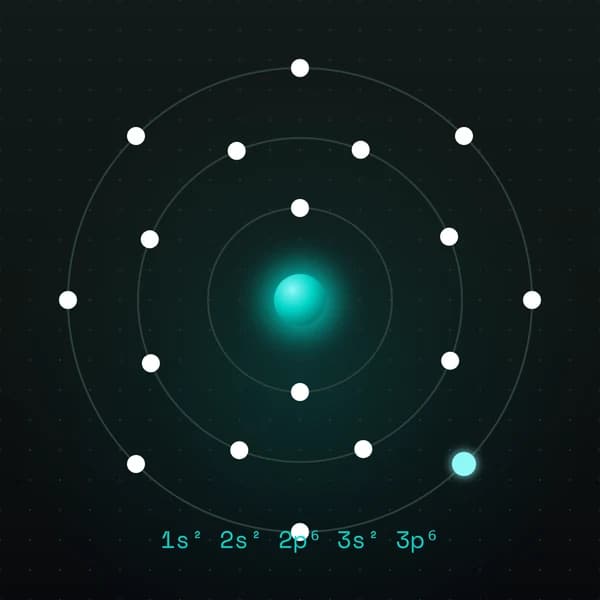
Builds any atom from H to Kr, with its protons, neutrons, electron shells and electrons-in-boxes diagram. Shows the shapes of s and p orbitals.
- AQA version of Atomic structure (opens in a new tab)
- WJEC version of Atomic structure (opens in a new tab)
Made for a laptop or tablet screen.
Ionisation energies
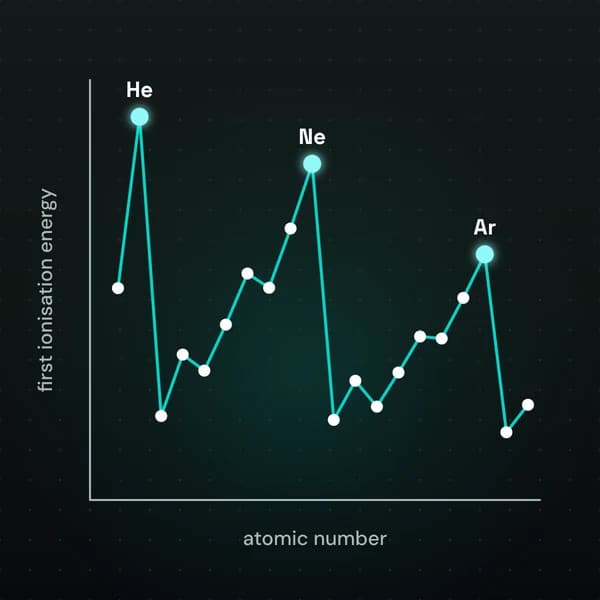
Graphs first ionisation energies across periods and down groups, and successive ionisation energies electron by electron. Practise and test yourself.
- AQA version of Ionisation energies (opens in a new tab)
- WJEC version of Ionisation energies (opens in a new tab)
Made for a laptop or tablet screen.
Emission spectra
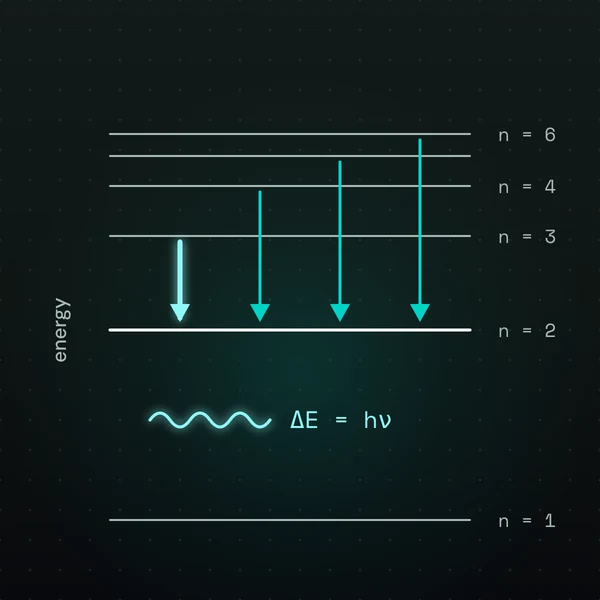
Drop hydrogen's electron between energy levels and see the line it makes in each series, with ΔE = hν and c = νλ worked through and the convergence limits marked.
Made for a laptop or tablet screen.
Shapes of molecules
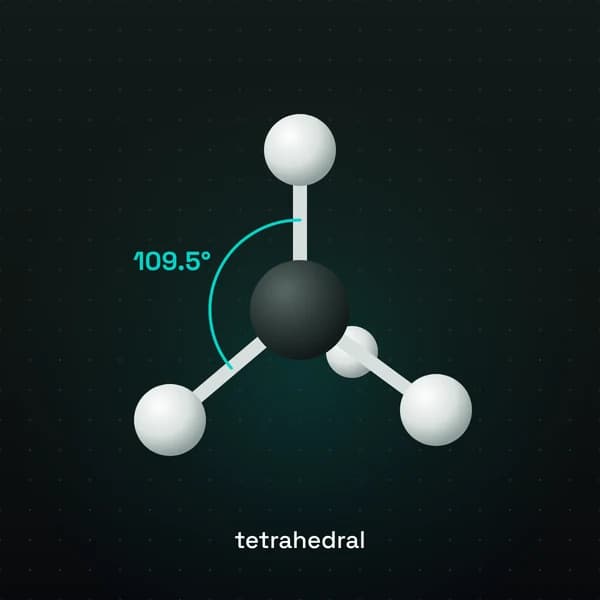
Rotate 3D models of every VSEPR shape, with bond angles and lone pairs, and see why each shape forms. Includes common molecules and ions.
- AQA version of Shapes of molecules (opens in a new tab)
- WJEC version of Shapes of molecules (opens in a new tab)
Made for a laptop or tablet screen.
Maxwell-Boltzmann distribution
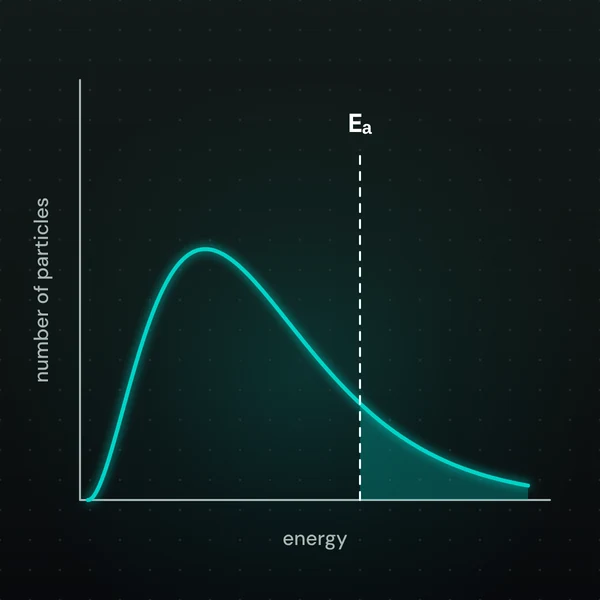
Plots the distribution as you change temperature, concentration or pressure, or add a catalyst, showing the share of particles with at least the activation energy.
- AQA version of Maxwell-Boltzmann distribution (opens in a new tab)
- WJEC version of Maxwell-Boltzmann distribution (opens in a new tab)
Made for a laptop or tablet screen.
Le Chatelier's principle
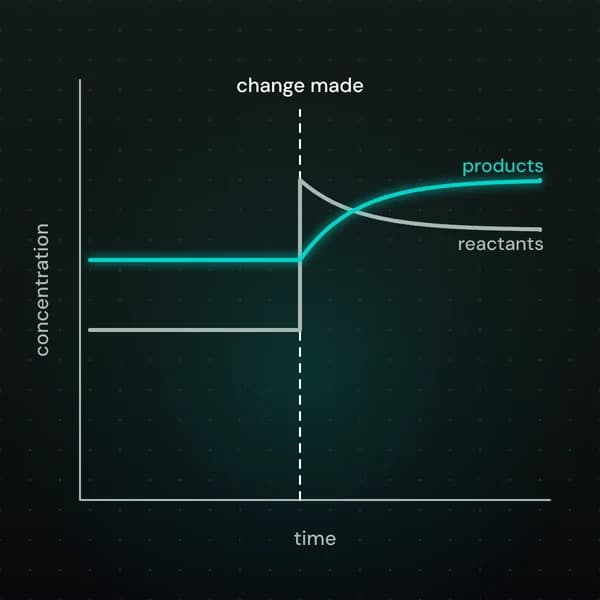
Change a concentration, the temperature or the pressure, or add a catalyst, and watch the equilibrium position shift on a live concentration-time graph.
- AQA version of Le Chatelier's principle (opens in a new tab)
- WJEC version of Le Chatelier's principle (opens in a new tab)
Made for a laptop or tablet screen.
Acid-base titrations
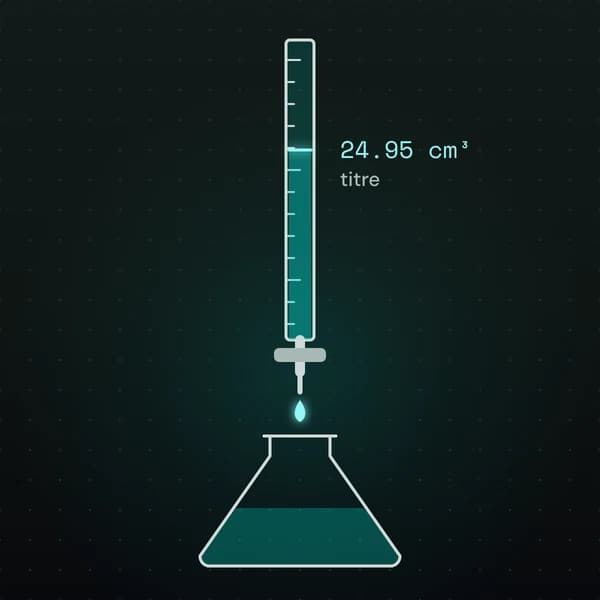
Fill the burette and pipette, run titrations to concordant titres, then work the calculation through step by step, from the mean titre to the answer.
Made for a laptop or tablet screen.
Organic mechanisms
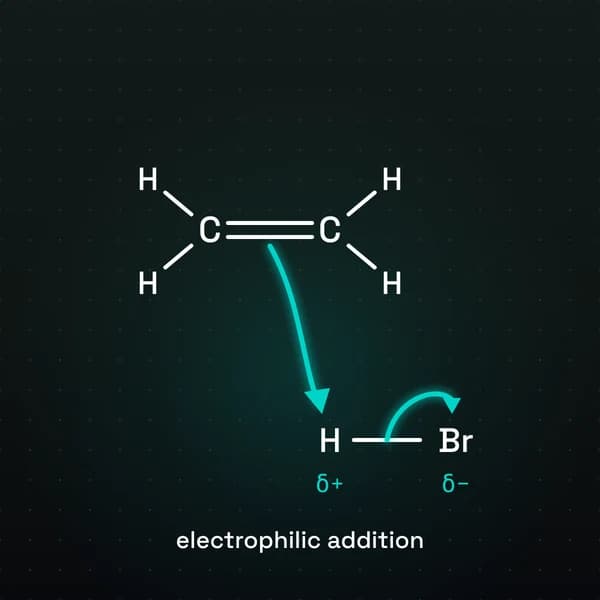
Steps through each organic mechanism with curly arrows, from electrophilic addition to electrophilic substitution of benzene, then practise and test yourself.
- AQA version of Organic mechanisms (opens in a new tab)
- WJEC version of Organic mechanisms (opens in a new tab)
Made for a laptop or tablet screen.
Organic molecule maker
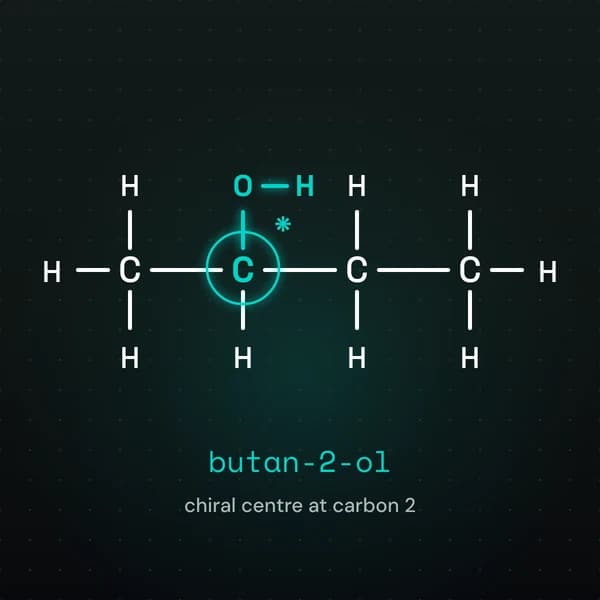
Build organic molecules, from alkanes to benzene, and name them step by step. Spot structural, E/Z and optical isomers.
- AQA version of Organic molecule maker (opens in a new tab)
- WJEC version of Organic molecule maker (opens in a new tab)
Made for a laptop or tablet screen.
Ion testing lab
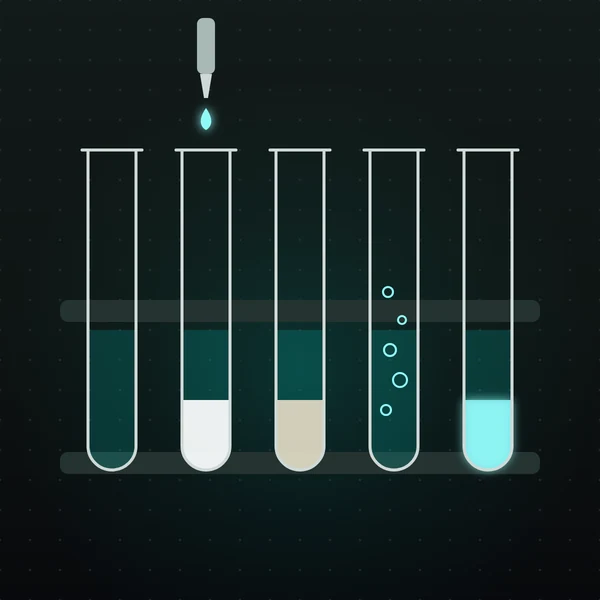
Add reagents to solutions in a test-tube rack and see the precipitates, colours and gases, then identify mystery solutions. Covers AS and A Level tests.
- AQA version of Ion testing lab (opens in a new tab)
- WJEC version of Ion testing lab (opens in a new tab)
Made for a laptop or tablet screen.
Born-Haber cycles
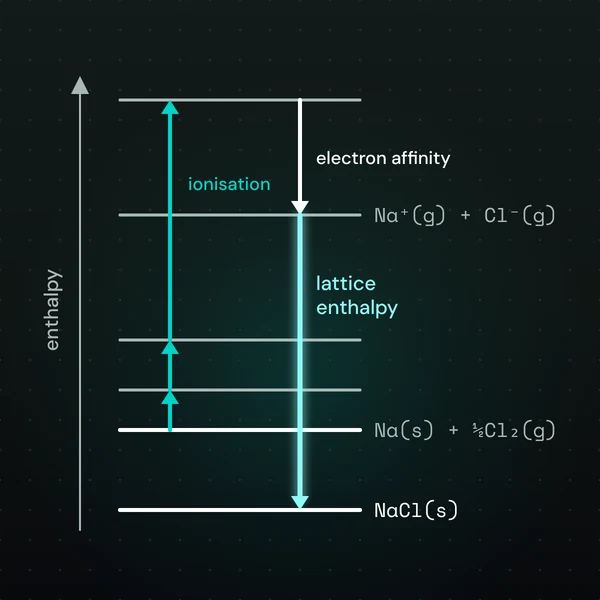
Builds the Born-Haber cycle for a Group 1 or 2 metal with a Group 6 or 7 non-metal, step by step, and checks it with Hess's law.
- AQA version of Born-Haber cycles (opens in a new tab)
- WJEC version of Born-Haber cycles (opens in a new tab)
Made for a laptop or tablet screen.
Electrochemical cells
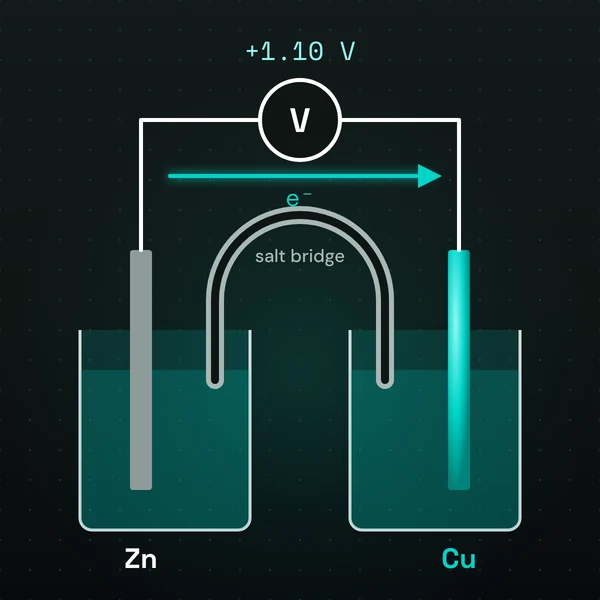
Pick two half-cells and build the cell: see which way electrons flow, which electrode is oxidised, and read the cell potential off the electrochemical series.
- AQA version of Electrochemical cells (opens in a new tab)
- WJEC version of Electrochemical cells (opens in a new tab)
Made for a laptop or tablet screen.
pH curves
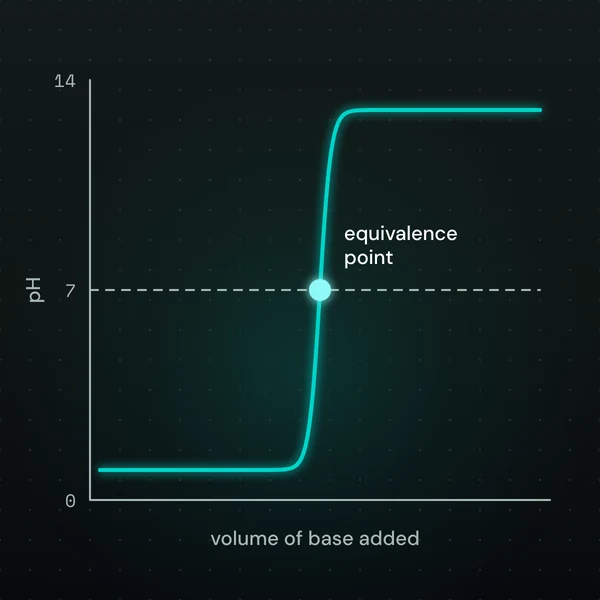
Titrate strong and weak acids and bases and watch the pH curve build. Marks the equivalence point, buffer region and pKa, and checks your choice of indicator.
Made for a laptop or tablet screen.
Transition metal complexes
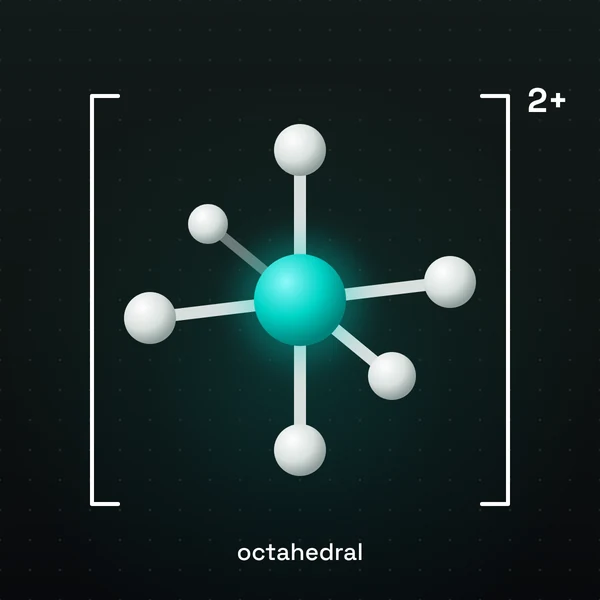
Rotate 3D models of complex ions, add reagents to aqua ions to see ligand substitution and colour changes, and explore multidentate ligands.
- AQA version of Transition metal complexes (opens in a new tab)
- WJEC version of Transition metal complexes (opens in a new tab)
Made for a laptop or tablet screen.
- More on the wayRich is adding his tools one by one. Each new one appears here.
Something wrong? Let Rich know.

When a tool raises a question, ask Dexter.
Dexter is the A Level Chemistry tutor Rich built from 21 years teaching this exact course. Ask him anything, at any hour, and he explains it the way Rich would in class: matched to your specification, at your level, and showing you how the marks are given.
- Explanations with diagrams, one step at a time
- Exam-style questions, marked against the mark scheme
- AQA now, with WJEC launching
£49 a month, with a 14-day trial.